Paying for things isn’t as simple as it used to be. Back in the day, it was either cash or swipe your card and call it a day. Now, every time you shop online, there’s a shiny new button tempting you: Buy Now, Pay Later. It promises the same item in your cart, but split into smaller, painless payments. Sounds like magic, right?
But here’s the thing: both Buy Now, Pay Later (BNPL) and credit cards come with their own quirks. They might look similar at first, but they play by very different rules. One can feel like a low-pressure way to spread out your spending. The other is more like a powerful tool—great if you know how to use it, dangerous if you don’t.
By the end of this read, you’ll have a clearer picture of which one actually fits your lifestyle, not just which one sounds good on paper.
The Rise Of “Pay Later” Shopping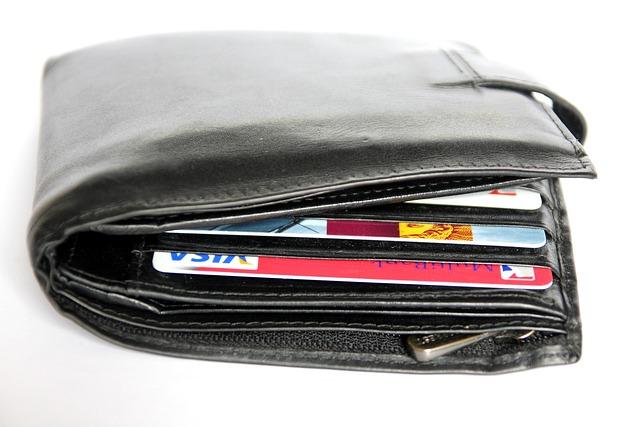
It’s no accident you’re seeing BNPL everywhere. Companies like Klarna, Afterpay, and Affirm have exploded in popularity, especially during the online shopping boom. The pitch is simple: you don’t need to wait for payday to grab that gadget or outfit. Just split the price into four easy chunks, pay them off over a few weeks, and you’re good.
If that sounds familiar, it’s because we’ve seen this story before. When credit cards first came around, they completely changed how people bought things. Suddenly, you didn’t need cash on hand to shop. BNPL is basically the new kid on the block, shaking up the old guard. And shoppers—especially younger ones—are eating it up.
It feels quick, modern, and way less intimidating than applying for a credit card. But, like any trend, it comes with fine print you can’t ignore.
How Credit Cards Really Work Day-To-Day
Credit cards have been around long enough that we think we understand them. But let’s break it down in real terms. You get approved for a certain limit—say $3,000. You can spend within that amount, and as long as you pay it off in full by the due date, you’re golden. No interest, just smooth sailing.
Where it gets tricky is when you don’t pay it all back. That’s when interest kicks in, and credit card interest rates aren’t kind. Carrying a balance can snowball fast. What started as a $200 dinner bill can end up costing way more if it lingers month after month.
On the flip side, credit cards come with perks people actually love. Cashback, points for travel, extended warranties, fraud protection—it’s like a little safety net and reward system rolled into one. Used wisely, they can even help build your credit score, which matters for bigger financial goals like buying a car or a house.
The catch? You need discipline. Credit cards give you a lot of freedom, and freedom can be dangerous if you’re not paying attention.
What Buy Now, Pay Later Actually Feels Like
BNPL, on the other hand, is great when you want to keep things simple. If you’re buying something small and you know you’ll pay it off in a few weeks, it’s an easy way to spread out the cost without diving into interest charges.
It’s also a good option if you don’t have—or don’t want—a credit card. Not everyone wants to juggle rewards programs, interest rates, and credit limits. BNPL strips all that away and just says: here’s the price, here’s the plan, done.
Picture this: you’re buying holiday gifts for family, or splurging on a new pair of sneakers. Instead of draining your account all at once, BNPL lets you spread the cost over time without dipping into savings. It’s straightforward and feels approachable.
In other words, BNPL feels light and breezy, but it can still sneak up on you if you’re not careful.
Where Credit Cards Pull Ahead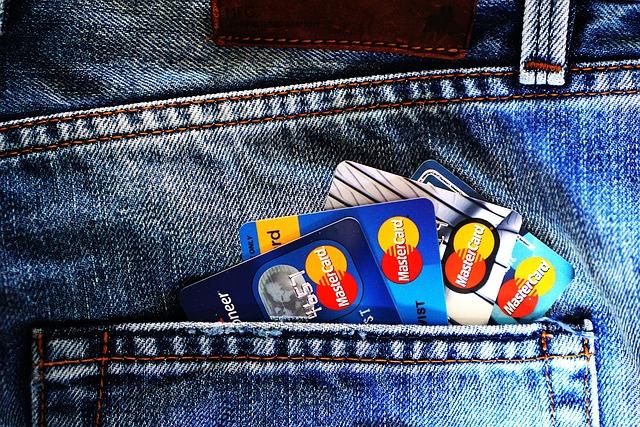
Despite BNPL’s rise, credit cards still have plenty of muscle. For one, they’re accepted almost everywhere—online, in stores, even when booking travel or renting a car. BNPL doesn’t have that kind of reach yet.
Rewards are another big advantage. If you travel often or love racking up points for gift cards, credit cards can actually make your spending work for you. Add in perks like purchase protection and travel insurance, and suddenly the old-school option doesn’t look so dusty.
Credit cards also help you build long-term financial health. Paying them on time shows lenders you’re reliable, which is crucial when it comes to big milestones like mortgages. BNPL can’t do that—at least not yet.
So while BNPL feels fresh and convenient, credit cards still win when it comes to versatility and long-term benefits.
So Which One Actually Fits Your Life?
Here’s the truth: neither option is “better” across the board. It all depends on your lifestyle and money habits.
Credit cards are like a high-powered tool in your financial toolbox. They’re flexible, reward-heavy, and great for building your credit score. But they demand discipline. If you’re someone who struggles to pay balances on time, the interest alone can wipe out any rewards you earned.
BNPL is like the laid-back cousin. Easy to use, quick to approve, and perfect for smaller, planned purchases. But it can also trip you up if you’re juggling too many at once.
Think about your habits. Do you value rewards and travel perks? Credit cards may be your best friend. Do you prefer keeping things simple and short-term? BNPL could be the better match.
The Bottom Line
At the end of the day, it’s not really a battle between good and bad—it’s about fit. Credit cards and Buy Now, Pay Later both have a place, but the right choice comes down to how you spend and what kind of financial safety net you need.
Whichever one you pick, the golden rule stays the same: stay in control. The best payment option is the one that helps you buy what you need without creating stress down the line.