
We all suffer from this problem at some point. I am talking about the mouth sore that causes discomfort while eating or talking for a few days. If it takes a few days to heal, then it is harmless and will recover on its own. If it takes too long to heal or does not heal, it requires attention, and you should consult a medical expert. Ignoring it can delay proper diagnosis and treatment, which may put your health at risk.
That is why it is essential to know the difference between a simple mouth sore and any other that requires medical attention. In this article, I will provide an in-depth description of mouth sores, including their types, key symptoms, expert tips, and treatments, to help protect oral health and address issues before they become serious.
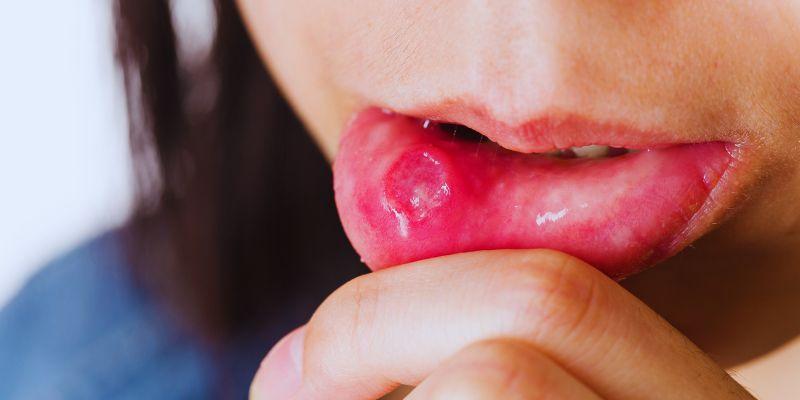
Reason behind the Mouth Sores
Mouth sores are also referred to as oral lesions. It can occur anywhere inside the mouth, such as the lips, gums, tongue, inner cheeks, and the upper or lower part of the mouth. Mostly, it is temporary, but if it takes a long time to heal, then it is a serious issue.
Minor routine injuries can occur, including biting the inside of the cheek and brushing too hard, as well as dental work. It can also arise due to stomach issues related to acidic or spicy foods, stress, or hormonal changes. It also happens due to a lack of vitamin B12, zinc, and folic acid.
When a Mouth Sore Needs Care
Most of the mouth sores are non-cancerous, but the reason behind long-term mouth sores is linked to several health conditions. I am providing some reasons below.
Oral Cancer
One of the most important and dangerous diseases associated with non-healing mouth sores is oral cancer. A dentist can screen it during a routine checkup; it's a very simple, quick, and painless examination. However, its early detection is essential; otherwise, it can become very severe. Some symptoms are described below. Note them:
- A flat, slightly raised red, white patch inside the lip or mouth.
- Severe pain and swelling anywhere in the mouth or on the lips.
- Feels too difficult to chew, swallow, speak, or move the jaw or tongue, and thickening in the cheek.
Autoimmune Diseases
These diseases can cause mouth sores. These can occur when the body's immune system mistakenly attacks healthy cells, resulting in swelling of organs and pain. Some other diseases include lichen planus and pemphigus vulgaris. These diseases don't have a specific cure, but doctors provide precautionary treatments to manage their symptoms.
Infections
Some bacterial infections can also cause mouth sores. It is commonly caused by cold sores or fever. HSV-1 causes these mouth sores. While the initial symptoms usually subside, the virus remains in the body and can reappear at a later time. It causes recurring mouth sores, especially during times of stress or illness. It is usually caused by a yeast infection that develops inside the mouth and appears as creamy white lesions, which typically occur on the tongue or inner cheeks. Most commonly found in infants, older adults, and individuals with weakened immune systems.
Canker sores and Cold sores
People think that canker sores and cold sores are similar, but they are actually very different. Canker sores are one of the common types of sores. They appear as small, round pimples and can make eating or talking uncomfortable. The good news is that they are not infections and often occur due to stress, fatigue, or a lack of vitamins like B12 or iron. The virus causes cold sores. They usually show up on or around the lips.
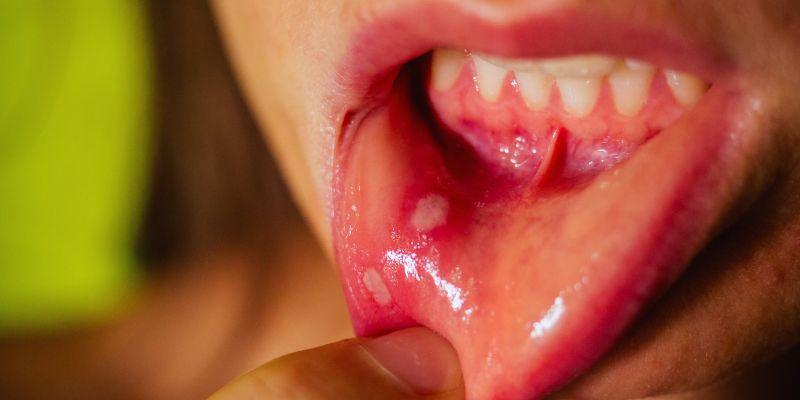
Treatment for Mouth Sores
Mouth sores treatment depends entirely on the cause or the sore (discussed above). A doctor will ask for a physical examination and may suggest additional tests to confirm a valid diagnosis or identify any potential health issues. If the mouth sore is caused by a virus, bacteria, or fungus, then your doctor may give only an antiviral or an antibiotic. Additionally, it may suggest dietary changes or supplements to fulfil the deficiencies in specific vitamins or minerals.
If a mouth sore is found to be cancerous, then a biopsy will be performed to confirm. Treatment, including surgery or chemotherapy, can be excruciating and stressful. It depends on the stage and location of the cancer. For temporary relief from pain and discomfort, you can try topical anesthetics, saltwater rinses, or avoid spicy and acidic foods.
Preventing Mouth Sores
The following are some precautions and expert tips to keep in mind. Follow these expert tips to avoid mouth sores.
- To maintain good dental health, brush your teeth gently and slowly with a soft toothbrush. It protects your mouth from bacterial diseases.
- You should maintain a balanced diet that is rich in fruits and vegetables to ensure you get the vitamins and minerals you need daily.
- Make ways to reduce stress levels. Stress can increase the chances of developing canker sores, and engaging in activities like meditation or yoga can help alleviate this condition.
- If you play any sports, wear a mouth guard to protect yourself from injuries.
- Visit your dentist at least once a year for a routine checkup, which includes an oral cancer screening. Regular visits enable your dentist to identify oral health issues early.
Conclusion
Your oral health is a vital component of your overall well-being. If a mouth sore occurs, it causes irritation and fatigue. It won't go away is a symptom you should never ignore. Early detection and treatment of severe mouth sores improve the results. I gave all the details related to a mouth sore, so if you are suffering from a non-healed mouth sore, take it seriously. Taking careful steps is the best way to protect your health from long-term diseases.