
Money influences our everyday lives, shaping the way we handle opportunities and setbacks. While many people see saving and investing as complicated, the truth is that both are accessible to anyone willing to take small, consistent steps. Whether you earn a lot or a little, putting aside money today can help reduce stress and prepare you for tomorrow. Building financial habits is less about sudden wealth and more about creating freedom, stability, and security. The sooner you start, the stronger your future can be.
Why Saving Comes First?
Before thinking about investing, saving creates the necessary foundation. A savings account is more than just a balance on paper—it’s your personal buffer against uncertainty. Without it, an unexpected car repair or medical expense could force you to take on debt, often at high interest rates that become hard to repay. That’s why many financial planners encourage an emergency fund that can cover at least three months of living costs. For families or those with irregular income, six months is even better.
The act of saving itself is as valuable as the amount accumulated. It trains people to live slightly below their means and consistently direct money toward the future. Even small amounts, like $50 a month, create momentum. Unlike investments, savings accounts are low-growth but highly accessible, meaning you can reach the funds immediately without penalties or market risk. In this way, saving isn’t about maximizing returns but about ensuring stability, so investments can be left untouched to grow over time.
Understanding the Basics of Investing
Investing may appear intimidating, filled with unfamiliar terms, but at its heart, it's the process of putting money to work. When you invest, you are essentially trading short-term certainty for the chance at long-term growth. This can happen through several main channels.
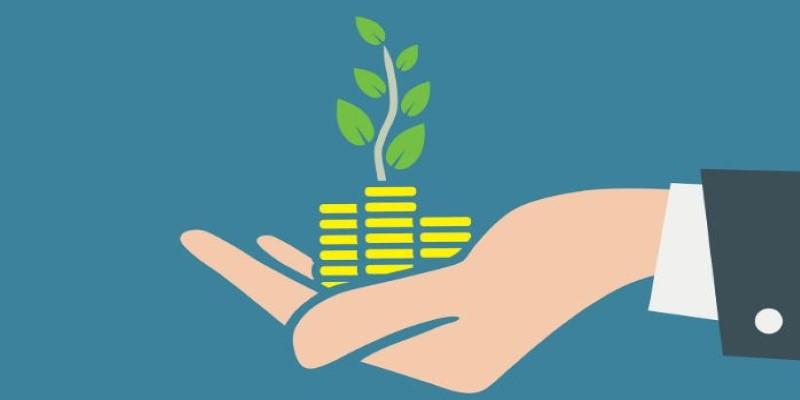
Stocks allow you to own part of a company, with returns coming from rising share prices and dividends. Bonds provide more predictable returns by lending money to governments or corporations. Mutual funds and exchange-traded funds (ETFs) simplify the process by letting you buy into a collection of stocks, bonds, or other assets. This pooling spreads the risk, giving even beginners the chance to diversify without needing to pick individual companies.
Risk and reward go hand in hand. Higher growth potential often comes with higher volatility, while safer investments typically offer smaller but steadier returns. A key concept for new investors is diversification: never putting all your money into one place. By spreading investments across different asset classes and industries, you reduce the chance that one bad outcome will ruin your progress.
Compound growth is another critical piece. When your investments earn returns, and those returns start generating returns themselves, growth accelerates over time. This is why starting early—even with modest amounts—can make such a large difference decades later.
Building a Strategy That Fits Your Life
Everyone’s financial goals are unique, so investment strategies should be personal rather than copied from others. The first step is defining what you want your money to achieve. Saving for a home, planning for retirement, or preparing for a child’s education all come with different timelines and levels of risk tolerance.
Younger investors with decades before retirement can usually afford more exposure to stocks, which may fluctuate but tend to grow strongly in the long term. Those closer to retirement often shift toward bonds and income-producing assets to preserve their capital. People with shorter goals, like buying a home in five years, need safer investments that protect their savings from market downturns.
Consistency is key. Automatic transfers to savings or investment accounts prevent procrastination and reduce the temptation to spend. For investments, dollar-cost averaging—investing the same amount regularly—helps smooth out the impact of market highs and lows. Over the years, this method often produces steadier growth than trying to time the market.
Reevaluating your plan over time matters just as much as starting one. Life events such as marriage, children, job changes, or inheritances can shift financial priorities. Checking in once or twice a year keeps your savings and investments aligned with current needs. While financial advisors can provide tailored advice, self-education through books, reputable websites, or even free online courses empowers you to make informed decisions.
Balancing Saving and Investing for Long-Term Growth
Saving and investing work best when combined. They serve different purposes, and both are necessary for financial health. Savings offer immediate protection, covering sudden expenses without relying on credit. Investments provide long-term growth that savings accounts alone cannot match.
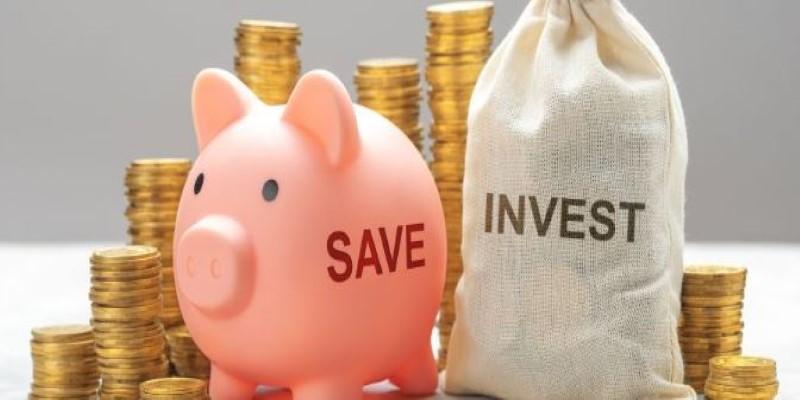
One common mistake is leaning too heavily on one side. Relying only on savings means your money loses value to inflation over time. Relying only on investments risks leaving you unprepared for emergencies, forcing you to sell assets at the worst possible moment. The balance depends on your circumstances, but the idea remains the same: savings shield you in the short run, while investments build your future.
The concept of compounding highlights the power of investing for the long term. Imagine contributing just $200 a month to a retirement account starting at age 25. With average market growth, that could become hundreds of thousands of dollars by age 65. Starting the same plan at age 40 would result in much less, even with the same monthly contribution, because compounding has less time to work.
Psychology also plays a role. Having a solid emergency fund gives you the confidence to stay invested during market downturns instead of panicking. Knowing you have cash reserves helps prevent rash decisions that might damage your long-term growth. Over decades, this balance of preparation and patience can transform modest contributions into lasting financial security.
Conclusion
Saving and investing in your future is not about chasing quick rewards but about building a system that works steadily over time. Savings create a reliable cushion, while investments provide the potential for growth that safeguards against inflation and creates opportunities. Both require patience, regular contributions, and an understanding of personal goals. The journey begins with small actions—setting aside money, learning about options, and adjusting strategies as life changes. By combining short-term security with long-term planning, you give yourself freedom, choice, and peace of mind in the years ahead.